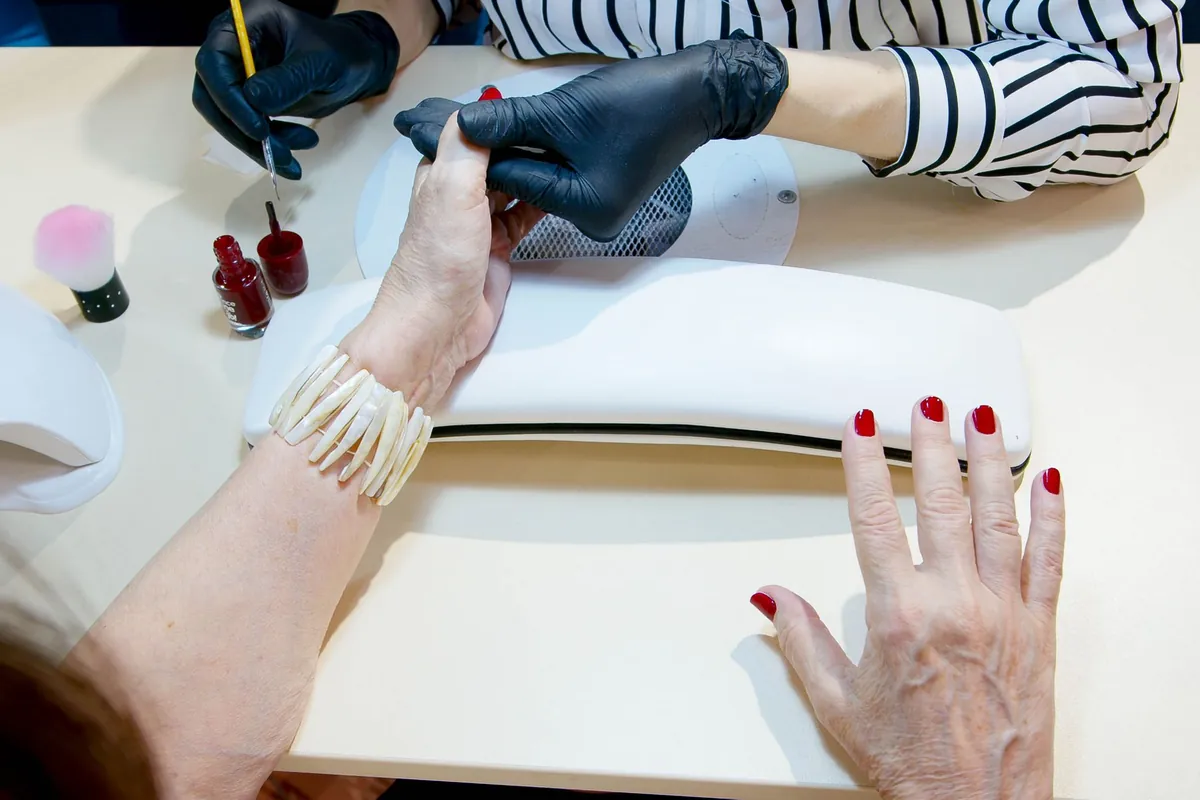
Renting a Nail Booth: Costs, Contracts, and Key Details
Renting a nail booth is a popular choice for technicians who want independence without a large upfront investment. This article explains how to calculate rent, who buys nail supplies, and the key terms to look for in a contract.

How booth rentals differ from full-time employment
When you rent a booth, you pay a fixed monthly fee to use the space, equipment, and amenities of the salon. Unlike working as an employee, you set your own schedule and are responsible for your own revenue.
This model suits technicians with steady skills who want to increase their income. However, you must manage your own client base and ensure service quality to keep customers coming back.
Splitting responsibilities between the salon owner and the technician
The salon owner is typically responsible for the lease, utilities, dust collection systems, sterilization equipment, and shared tools like drills and UV lamps. They also handle the salon’s operating license.
Technicians renting a booth usually buy their own personal nail supplies, such as gel polishes, powders, brushes, and hand tools. You should also provide your own gloves, masks, and protective gear. Make a clear list of who buys what to avoid disputes later.

Common ways to calculate booth rent
There are two main structures: fixed rent or revenue sharing. Fixed rent means you pay a set amount each month, regardless of whether you have clients. Revenue sharing means you pay a percentage of the total amount clients pay for your services.
Example: a salon might require $500 per month or 30% of revenue, whichever is higher. You need to ask clearly if the rent includes utilities, internet, and common area cleaning fees. If not, add those to your costs to understand your true profit.
Booth rental contracts: essential terms
Always sign a written contract; avoid verbal agreements. The contract should clearly state the lease term, the amount, payment due dates, and conditions for termination.
The most important clause is maintenance responsibility. If equipment breaks, who fixes it? If a client complains, who handles it? Specify the notice period required if you want to leave (usually 30 days) so the owner has time to find a replacement.
- Contract term and renewal conditions
- Rent amount and payment method
- List of equipment provided for use
- Maintenance and repair responsibilities
- Contract termination terms

Taxes and labor: why you need an accountant
This is where many technicians make mistakes. When renting a booth, you are usually classified as an independent contractor (1099) rather than an employee (W-2). This means you must file your own income tax, social security, and Medicare taxes.
Each province has different rules regarding worker classification. Some provinces require the salon owner to register you with tax authorities if you work a certain number of hours. Consult an accountant or lawyer to ensure you are compliant and avoid back taxes later.
Tips for negotiating rent and terms
Before signing, ask if you can get a discount for bringing in new clients or working during off-peak hours. Many owners are willing to lower fees if you help increase the salon’s overall revenue.
Don’t hesitate to ask about cancellation policies. If you have a sudden emergency, can you let another technician use your booth? These small details help keep the working relationship smooth.
Frequently asked questions
- Do I need insurance if I rent a booth?
- Many salon owners require booth renters to purchase commercial liability insurance. Check your contract to see if they require a specific type of coverage and buy the right one to avoid legal risks.
- Who is responsible if a client gets hurt during a service?
- This depends on the contract. Since you are the one performing the service, you typically need personal liability insurance. However, the salon owner may also be liable if their equipment is unsafe. Clarify this in your contract.
- Can I set my own work schedule?
- Most salons allow technicians to set their own schedules, but you must follow the salon’s general opening hours. You need to notify them in advance if you want to take a day off or change your schedule so they can arrange front desk staff.
- How do I know if a salon owner is reputable?
- Ask current technicians there if they are paid on time and if the owner supports them when issues arise. A good owner is transparent about costs and respects the rights of the technicians.
Put this guide to work
Documents & forms
- Weekly pay sheet (commission, guarantee, tips)Turns a week of daily sheets into each tech’s pay: services, commission, the guarantee check, tips, deductions and the amount paid.
- Tip policyHow cash and card tips are recorded, paid out and reported, so no tech ever wonders where a tip went.
- Commission and guaranteed pay agreementWrites down exactly how commission, guaranteed pay, product charges and tips are worked out, with a worked example.
- When a tech leaves: final pay and handoverThe steps when someone leaves: final pay on time, tips and commission owed, keys and tools back, records updated.