Cuticle and Hand Care Between Nail Appointments
Whether a set looks good and lasts depends a lot on how clients look after their cuticles and skin between nail appointments. A few short tips at checkout can help nails last longer, keep clients happier, and build their trust in your work.
Why it pays to teach clients cuticle and hand care at home
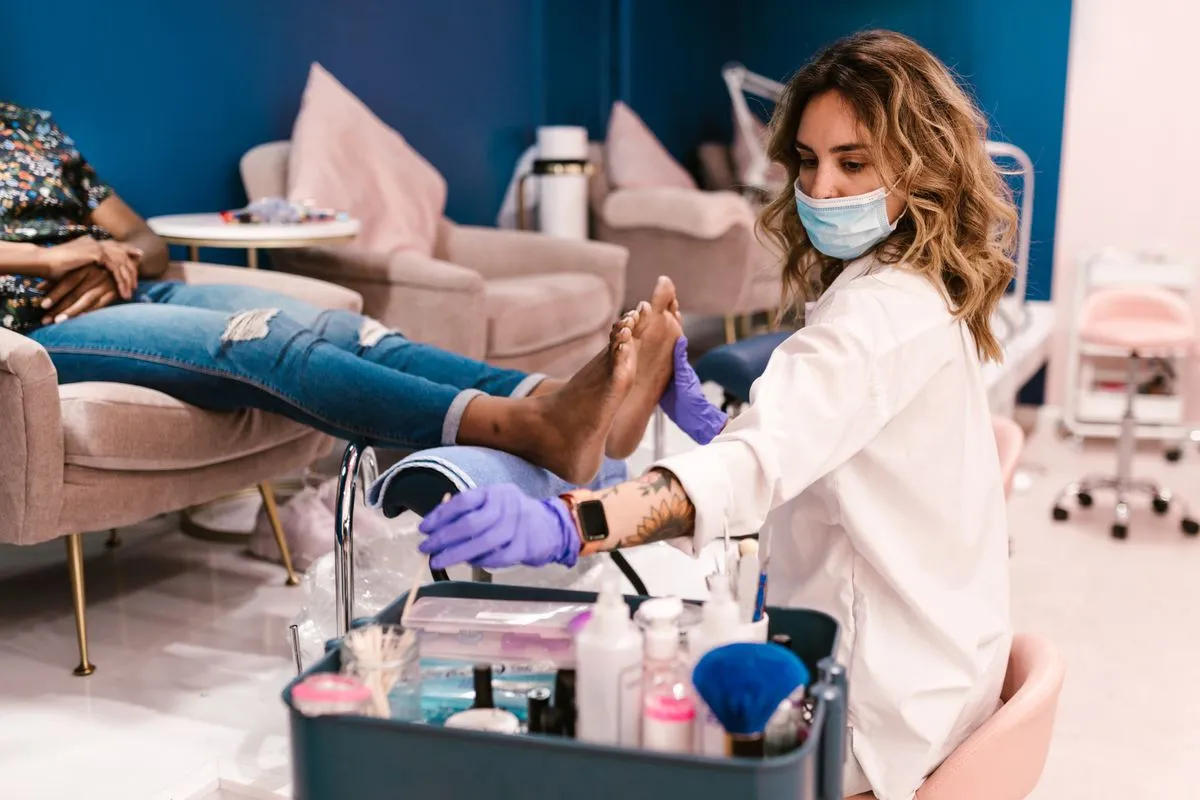
However careful you are, a client only sits at your table for about an hour. For the next two or three weeks, the hands are theirs. Washing dishes, laundry, typing and dry cold weather all leave the skin around the nails dry, cracked and ragged. When a client comes back with hard, dry cuticles, the service takes longer and the result is harder to get right.
Giving a few simple tips is not a sales pitch. It shows the client you care about their hands, not just the bill. Clients remember the tech who took a minute to explain, and they usually come back to that same person.
Cuticle oil: how clients should use it
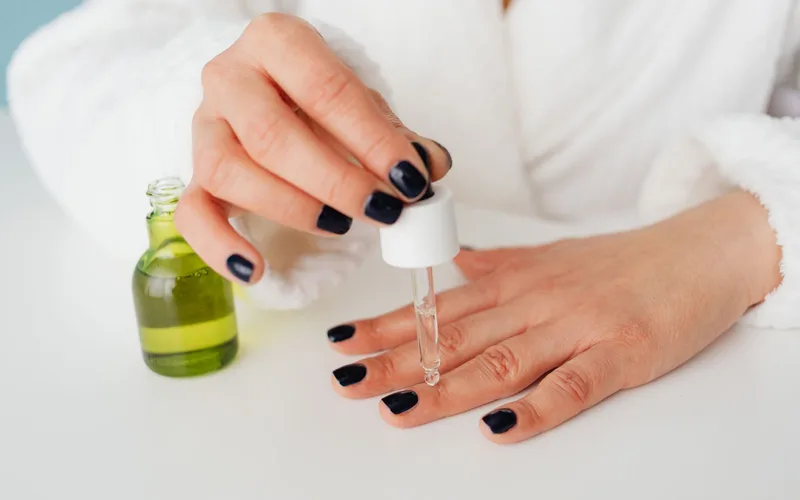
Cuticle oil is the easiest tip to give. One small drop per nail, rubbed gently into the skin around the nail and over the nail plate, then left to soak in. A little used regularly works much better than a lot once in a while.
Help clients make it a habit: keep the bottle by the bed or the desk, and putting it on before sleep is the easiest routine. For gel or acrylic clients, oil keeps the skin around the nail soft, reduces hangnails and keeps the set looking fresher until the next appointment.
- One small drop per nail, rubbed in gently, no need for more
- Use it daily, ideally before going to sleep
- Add a little more after washing hands many times in a day
- Stop using a product if the skin gets irritated
Hand lotion and gloves for household chores
Hot water and dish soap are hard on both skin and polish. Suggest that clients wear rubber gloves for dishes, cleaning floors or using household cleaners. Gardeners should wear cloth or garden gloves so soil does not get packed under the nails.
After washing, pat hands dry and put on a layer of hand lotion, including the backs of the hands and around the nails. In winter or in dry climates, doing this several times a day helps prevent cracking. These tips are simple, but few clients think of them unless you mention it.
Don’t pick or peel gel: how to explain it
Clients usually pick at gel because a corner lifts and it bothers them. When gel is peeled off, it often takes a thin layer of the natural nail with it, leaving nails thin, weak and easy to break. The next set has a harder time sticking, and the client may blame the salon.
A friendly way to say it: “If anything lifts, just come by and I’ll take care of it. Please don’t peel it.” Many salons fix lifting within the first few days for regulars; that depends on each salon’s policy. If a nail breaks, the client can file it lightly so it doesn’t snag, then book a visit for a proper removal or repair.
When clients should come back to the salon
Nails grow at different speeds, so don’t promise one number for everyone. Gel or acrylic clients usually see growth at the base after a few weeks, and that is the time for a fill or a new set. Waiting too long shifts the balance point of the nail, making lifting or breaks more likely.
The easiest way is to book the next visit while the client is still at your table. If the client notices redness, swelling, pain, pus or anything unusual around the nail, tell them to see a doctor instead of waiting for their nail appointment. Nail techs don’t diagnose, and saying so plainly protects both the client and you.
How nail techs can care for their own hands
Your hands are how you earn a living, yet many techs look after clients’ hands better than their own. Constant hand washing, removers, filing dust and chemicals all day can leave a tech’s skin dry, cracked or irritated.
Wear gloves while working, change them when you should, and use hand cream on breaks and at the end of the day. If you get a rash, itching that won’t go away or cracks that bleed, don’t just put up with it; see a doctor. Taking a few minutes between clients to stretch your fingers and wrists also helps you keep working for years.
- Wear gloves and change them when torn or dirty
- Use hand cream on breaks and at the end of the day
- Stretch fingers and wrists between clients
- See a doctor if skin irritation keeps coming back
Frequently asked questions
- How often should you use cuticle oil?
- Once a day is the easiest routine to keep, ideally before bed. One small drop per nail, rubbed in gently, is enough.
- Is it bad to peel off gel polish?
- Yes. Peeling gel often pulls off a thin layer of the natural nail, leaving it weak and easy to break. It is better to have it removed properly at the salon.
- How do I keep my hands from getting dry after a manicure?
- Apply hand lotion after washing, wear gloves for dishes and cleaning, and use cuticle oil every day.
- What should I do if the skin around my nail is red and swollen?
- Don’t cut or squeeze it yourself. See a doctor, since nail techs cannot diagnose or treat medical problems.