Repairing a Broken Natural Nail: When to Wrap, When to Trim
A broken or cracked natural nail is something clients deal with all the time, especially with longer nails. Repairing a broken natural nail properly lets the client keep their length while the nail grows out, but not every crack should be repaired. This post covers, in general terms, when a repair works, a simple wrap repair, protecting the nail and when to trim instead.
When can a broken natural nail be repaired?
A repair usually works when the crack is in the free edge, the part that grows past the fingertip, and the nail has not fully split. A small, clean crack with both sides still firmly attached is the easiest case.
It gets harder when the crack runs down near or into the part attached to the skin, when the nail is peeling in layers, or when it has torn to the point of bleeding. At that point looks are not the priority.
Look closely under the lamp and ask the client when it happened and whether it hurts. A few seconds of checking helps you choose correctly between repairing and trimming.
When to trim instead of repairing
If the crack is deep, the nail is loose, or it is already down at the skin, trimming short and filing smooth is usually the safest choice. A short nail will grow back, while forcing a long nail to hold can make the crack tear further.
If you see bleeding, swelling, redness, a lot of pain, pus or unusual discolouration, do not do any service on that finger. Suggest the client see a doctor. Nail techs do not treat injuries.
Explain gently why trimming is better. Most clients agree once they see you are thinking about their nail, not about selling another service.
A simple wrap repair, in general terms
A wrap is a thin piece of fabric, such as silk or fibreglass, fixed over the crack with glue or gel to hold the two sides together. The general steps usually look like this, but always follow the instructions for the product you use:
Work gently. The aim is to stop the crack from tearing further, not to build it up thick like an extension. If the client is having gel or regular polish, the repair can sit under the colour.
- Clean and dry the nail so no oil or lotion is left
- Very lightly buff the surface around the crack, without thinning the nail further
- Cut a piece of wrap that covers the crack with a little extra on each side
- Apply the wrap with glue or gel as directed and press it flat
- Add one thin coat, let it dry or cure if it is gel, then smooth it with a buffer
Keep glue off skin and any wound
Nail glue is not for skin or open wounds. If the crack is bleeding, stop. Keep glue away from skin and eyes, and wipe it off right away if it gets on the skin.
Keep the salon well ventilated when using glue and gel, wear gloves if needed, and read the label warnings. If a client has reacted to glue or gel before, do not try it on the cracked nail; suggest they ask a doctor.
What nail techs may do with a problem nail can differ by state. If you are unsure, ask your state board.
Protecting the nail after a repair
A repair only lasts for a while, until the cracked part grows out and is trimmed off. Remind the client to wear gloves when washing dishes or using household chemicals, and not to use their nails to pry, open cans or peel labels.
Apply cuticle oil and hand cream daily so the nail is less dry and brittle. Keep the nail a little shorter than usual until the crack has grown out, since shorter nails take fewer knocks.
Ask the client to come back in a few weeks so you can check the repair and smooth or redo it if needed. If it lifts early, do not just build it thicker; consider trimming.
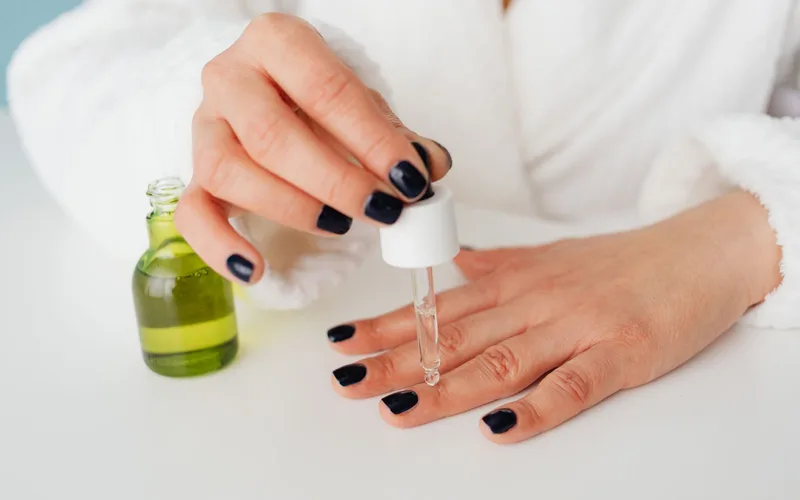
Keeping repair supplies at your station
A small kit at each station is enough: silk or fibreglass wrap, repair glue or gel, small scissors, a fine buffer and cuticle oil. When a client comes in with a cracked nail, you can deal with it quickly without hunting for things.
Compare prices on these before ordering; they are small items but you use them constantly, so price differences add up. Choose products with clear instructions and full labels.
Whether to charge for a repair is up to each salon. Many charge a small amount per nail; if you do, list it clearly on the price list so clients are not surprised.
Frequently asked questions
- Does a cracked natural nail heal on its own?
- The cracked part does not knit back together; it simply grows out and gets trimmed off. A wrap helps stop the crack from tearing further in the meantime.
- Should I use nail glue on a crack that reaches the skin?
- Nail glue should not go on skin or open wounds. If the crack reaches the skin, bleeds or hurts, trim it neatly and suggest the client see a doctor.
- How long does a nail wrap repair last?
- It depends on the crack, the product and how the client uses their hands, but usually until the cracked part grows out and is trimmed. Ask the client to come back for a check in a few weeks.
- When should a broken nail be trimmed short?
- When the crack is deep, the nail is loose or it reaches the part attached to the skin. Trimming short and filing smooth keeps it from tearing further.