Adding Pedicure Chairs or New Services to Your Salon
When business is good, many owners want to add pedicure chairs or new services to bring in more income. But adding pedicure chairs is more than buying chairs and setting them down: there is plumbing, electrical work, permits, the landlord and the staff to think about. This post helps you plan each step before you spend money.
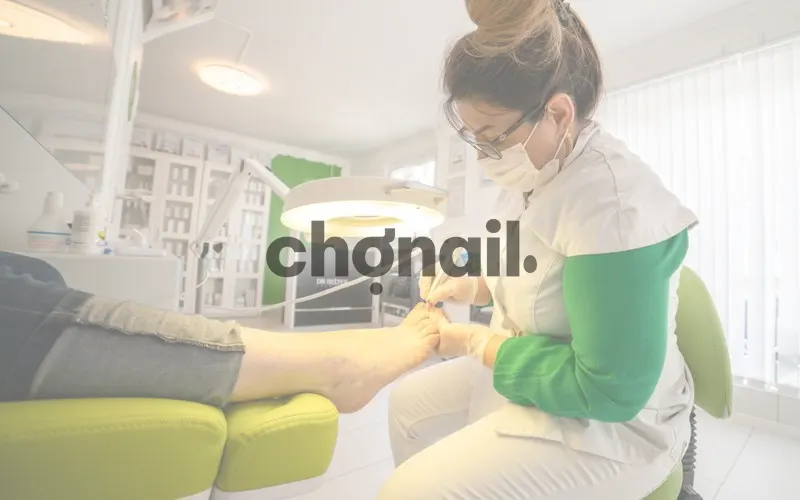
Check demand before adding pedicure chairs
The first question is whether clients really need it. Watch for a few weeks: how many clients wait for a pedicure chair, how many walk out, which hours the chairs are full and which hours they sit empty. If the chairs only fill up on Saturday mornings, rearranging appointments and turns may be enough without adding chairs.
For a new service, ask your regulars whether they would want it, and see what nearby salons offer. A service clients keep asking for is easier to sell than one that is only trending online.
Space and plumbing
A pedicure chair needs room for the chair, the basin, the tech's stool, a walkway and storage. Measure carefully before buying, and leave a clear path for older clients and wheelchair users. Plumbed chairs need hot water, cold water and a drain. If the spot you have in mind has no lines, the cost of cutting the floor and running pipes can be more than the chair itself.
Have a licensed plumber look first: is the drain large enough, can the water heater keep up with more chairs, are backflow devices needed? Pipeless chairs with portable basins can be an option when plumbing is hard, but cleaning requirements differ, so check your provincial board's rules.
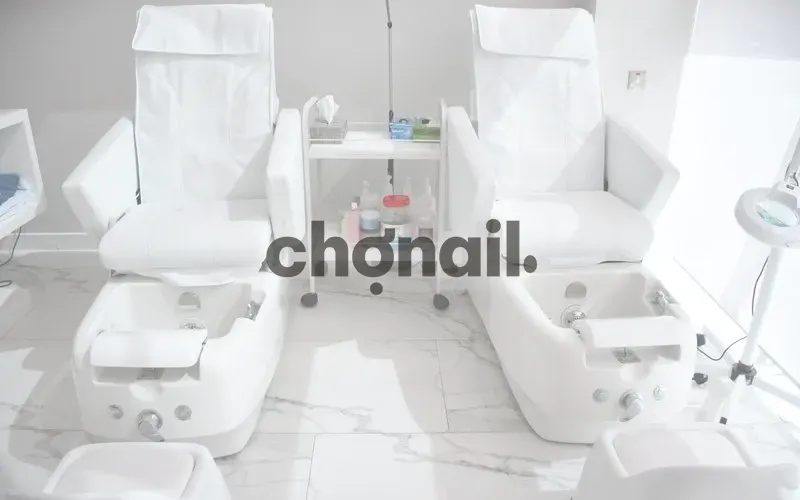
Electrical, permits and the landlord's OK
Pedicure chairs have massage motors, pumps and lights, and with gel lamps, e-files and dust collectors running too, an older electrical circuit may not cope. Have a licensed electrician check whether you need dedicated circuits or shock-protected outlets near water.
Most plumbing and electrical work needs a building permit from the city or county, and may need an inspection afterwards. Adding chairs, changing the layout or adding services may also mean notifying the provincial board or an inspection. Read your lease carefully: most require the landlord's written approval before alterations. Every place is different, so check with the city and the provincial board, read the lease, or ask a lawyer if anything is unclear. The Licences page has general information on licences and permits by province.
Cost and payback time
Costs include the chair, delivery and installation, plumbing, electrical work and permits, plus nail supplies for any new service and the time part of the salon is closed during work. Get quotes from licensed contractors before you decide.
For example (illustration only): if the total cost of adding a chair is A, and after paying techs and nail supplies the new chair brings in B extra profit a month, payback takes about A divided by B months. Be conservative: don't assume the new chair is always full. If you need financing, the Loans page has general information on funding options; ask an accountant about depreciation and taxes. The Equipment page helps you look at and compare chairs and salon equipment.

Adding new services and training staff
A new service is only good if techs can do it consistently and safely. Before it goes on the price list, take care of these:
- Check with the provincial board whether the service falls within a nail licence or needs a different one.
- Train techs properly and let them practise on family or friends before clients.
- Write a cleaning routine for the new service and equipment.
- Ask a licensed insurance agent whether your salon's coverage needs to be extended.
- Agree in advance how techs are paid for the new service.
Launch gradually and measure the results
Once the new chairs are in or the new service is ready, tell your regulars first, invite them to try it and ask for feedback. Track it for a few months: how many hours a week the new chair is used, and whether clients come back for the new service. If results are good, you have a solid basis to expand further. If not, adjust hours, pricing or how you present it before spending more.
Frequently asked questions
- Do you need a permit to add pedicure chairs?
- Plumbing and electrical work usually needs a city or county building permit, and the provincial board may need to be notified. Check with the city and the provincial board, and get the landlord's written approval first.
- Are pipeless pedicure chairs a good option?
- Pipeless chairs work well where running plumbing is difficult, but basin cleaning is done differently than with plumbed chairs. Check your provincial board's rules before choosing.
- How long does it take for a new pedicure chair to pay for itself?
- It depends on the full installed cost and how many extra clients the chair really brings. Divide the total cost by the extra monthly profit after techs and nail supplies, and be conservative.
- Do new services need a different licence?
- Possibly, since some services fall outside a nail licence depending on the province. Ask your provincial board before adding the service to your price list.