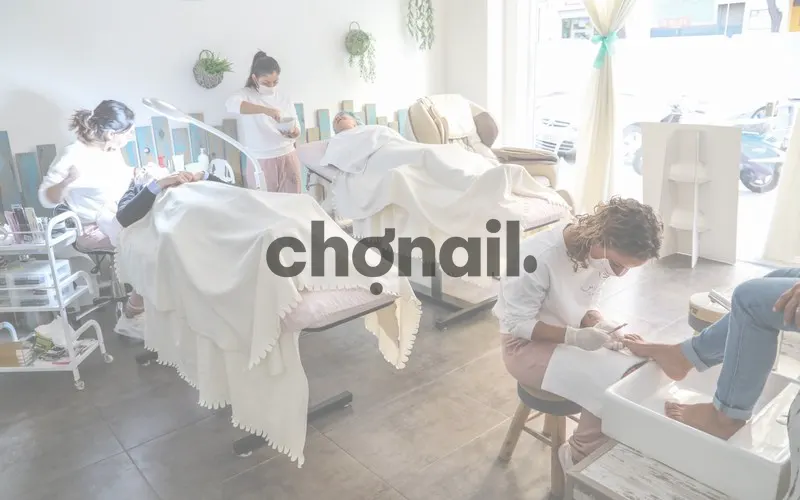
Buy a Nail Salon Now or Rent a Booth First?
Many experienced nail techs with some savings start to wonder whether to buy a nail salon now or rent a booth or chair first to practise running their own business. There is no single right answer, because each path has its own benefits and risks. This post compares the two, what each one teaches you and the steps from booth renter to salon owner.
Buying a nail salon now: benefits and risks
Buying a running salon gives you existing clients, staff and equipment, and possibly income from the first month. If the salon is sound, the price is fair and you are ready to manage people, it can be the fastest path.
The risks are bigger too: more money up front, possibly a loan, plus the lease, staff pay, taxes, insurance, licences and many things you have never handled before. If clients drop off after the change of owner or the old techs leave, the pressure is heavy.
Renting a booth or chair first: what it teaches you
Renting a booth or chair usually means you pay the owner rent for your space, find your own clients, buy your own nail supplies and keep most of what you earn. It is like running a very small business inside someone else’s salon. How booth rental works, and the rules around it, vary by state and by salon.
The biggest gain is learning to be your own boss at lower risk. You find out whether you can bring in enough clients yourself, keep your own books and actually enjoy the business side.
- Building and keeping your own regulars
- Setting your prices and costing each service
- Buying and managing your own nail supplies
- Keeping income and expense records and saving for taxes
- Doing your own marketing, photos and client messages
Comparing money and risk
Booth rental needs far less money: rent, tools, nail supplies and some initial marketing. If it does not work out, it is easier to go back to working as a tech. Buying a salon needs the purchase price, the lease deposit, working capital for the first few months and a cushion for surprises.
For example (illustration only): a booth renter may only need enough for a few months of rent and supplies, while a buyer needs the purchase price plus several months of running costs as a reserve. Real numbers depend on the salon and the area.
Do not only look at the higher income you might earn as an owner. Also consider the risk in a slow month and whether you could carry it.
Steps from booth renter to salon owner
Many people move step by step to reduce risk. Each stage teaches you more and lets you save more before the next one.
- Work as a tech, learn how the salon runs, save and keep good credit
- Rent a booth or chair for a while, build regulars and keep clean records
- Watch salons for sale to learn prices, areas and which kind of salon suits you
- Learn how salons are valued and what loan options exist
- When ready, buy a salon within your means, ideally one your regulars can follow you to
Get professional advice on agreements and taxes
Whichever path you choose, paperwork matters. A booth rental agreement should spell out the rent, the hours you can use the space, who supplies products, who keeps client information and how either side can end it. Buying a salon involves a purchase agreement, the lease, licences and many more terms.
Taxes also differ between a self-employed booth renter and an owner with staff. Ask a lawyer to review agreements, an accountant to explain the tax side, and check with your state board about the licences a booth or salon needs in your state before you sign anything.
Which path suits you?
If you have management experience, enough capital, people to support you and a good salon in sight, buying now may make sense. If you are not sure you enjoy the business side, your savings are thin or you do not yet have many personal clients, renting a booth first is a cheaper way to learn.
There is no need to rush. A considered decision, backed by numbers and the right advice, usually beats a deal that looks great when you are not ready.
Frequently asked questions
- Is renting a nail booth more profitable than working on commission?
- It depends on your own client base, the rent and the costs you cover. Techs with many regulars often do better, while those with few clients may see uneven income.
- How much money do I need to buy a nail salon?
- There is no single figure; besides the price you need a lease deposit, working capital and a reserve for the first months. Work it out for the specific salon and ask an accountant.
- Do I need a separate licence to rent a booth?
- Some states have separate rules for booth renters. Check with your state board before you start.