French Manicure Techniques for Clean, Even Smile Lines
A French manicure looks simple, but it shows a tech's skill more than almost any other style: if the smile line is even slightly off, the client sees it right away. This post covers French manicure techniques from prep, to drawing smile lines with guides or a brush, choosing gel or regular polish, keeping lines even on short nails, and the variations clients ask for.
Classic vs modern French manicure
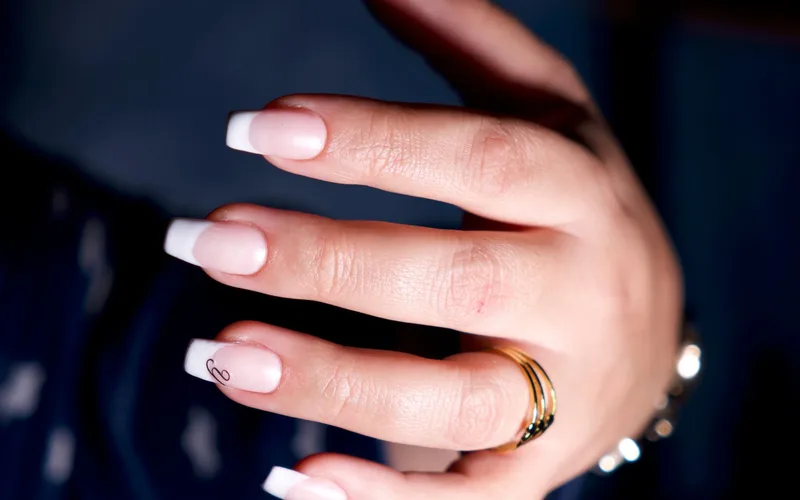
A classic French has a sheer pink or nude base, a white tip and a smile line that follows the natural curve of the free edge. The white tip is usually moderate, clean-looking, elegant and office-friendly.
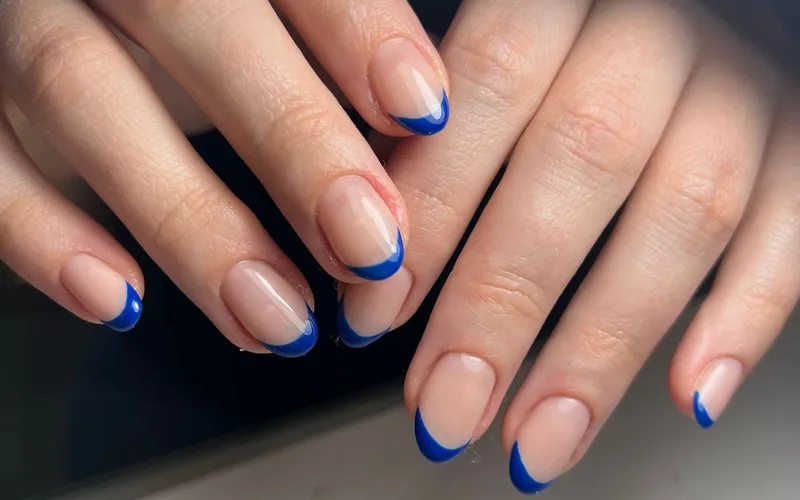
A modern French is more flexible: a hairline-thin tip, a deep V-shaped smile line, coloured tips instead of white, or a milky base. Ask which look the client wants and show photos, because “French” means something different to everyone.
Prepping nails for a French manicure
A smile line only looks good when every nail has the same shape and length. File all ten evenly, then look down from the fingertips to check they are balanced. Round and soft oval shapes make an easy, attractive smile line, while square nails need a flatter line at the sides.
Tidy the cuticles, remove oils from the nail surface and pick a base that suits the client's skin tone. A pink, nude or milky base should be even and thin enough for the white tip to stand out without streaks.
Smile lines with guides or a fine brush
There are a few common methods, and each tech has a favourite:
Whichever method you use, keep the same smile line across all ten nails, and step back to compare before the top coat.
- French tip guide stickers: place them on the nail, paint the tip, and peel while the polish is still a little wet. Easy for beginners but can leave a ridge.
- A fine liner brush: draw the smile line from one side to the centre, then from the other side, then fill in the tip. The most natural result once you have practised.
- An angled flat brush: sweep the curve in one stroke, which works well with gel since you can adjust before curing.
- A small brush dipped in remover: clean up the smile line after painting for a crisp edge.
Gel or regular polish for a French
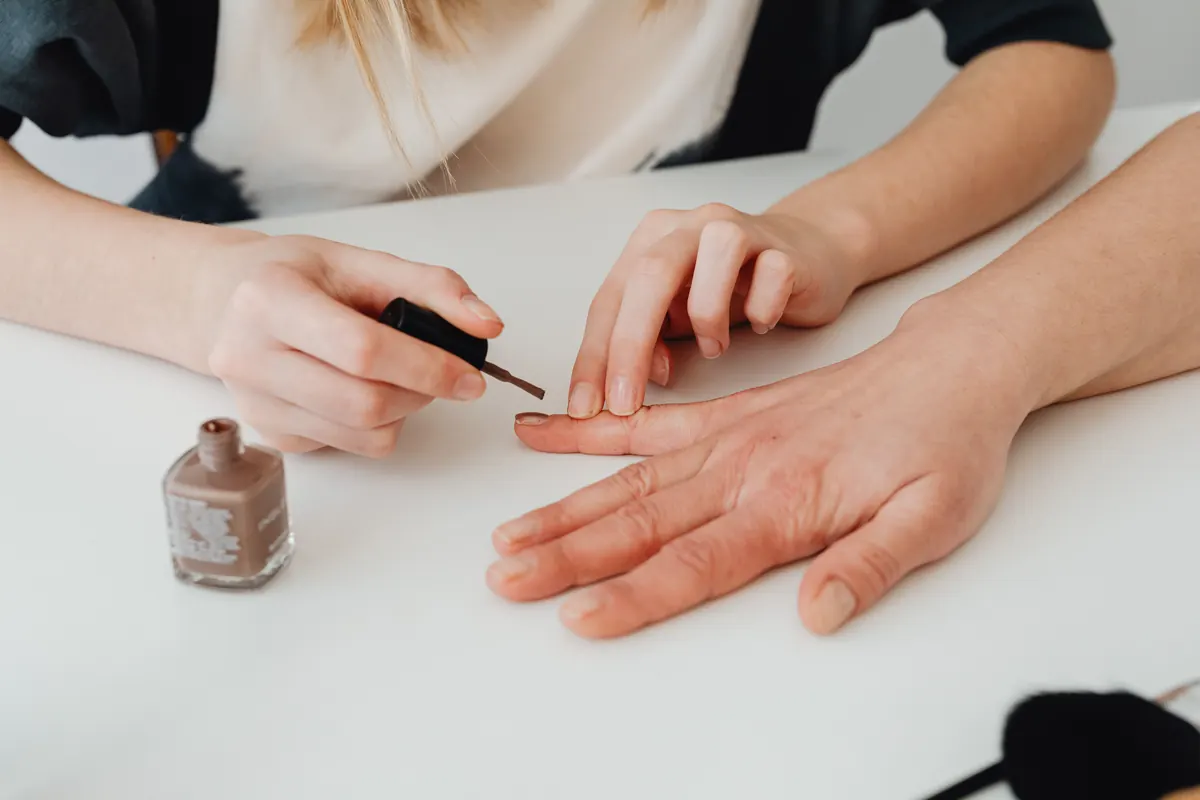
Gel polish gives you more time to perfect the smile line, because it doesn't set until it is cured under the lamp. Choose a thick, opaque white gel so one or two thin coats are enough. Cure each nail or a few nails at a time after drawing the line so it doesn't run. Gel Frenches also last longer and stay glossy.
Regular polish dries faster, so you need confident strokes and drying time between coats. The upside is that clients can remove it easily at home. With either type, cap the free edge with top coat so the white tip doesn't chip early.
Keeping smile lines even on short nails
Short nails are tricky because there is very little free edge. The trick is a slim white tip, just a thin band, instead of forcing a thick one, which makes nails look shorter. You can set the smile line slightly below the natural free edge to make nails look a little longer, as long as every nail matches.
If the client's nails grow unevenly, use the shortest nail to set the smile line height for the whole set, and keep both ends of the line balanced against the sidewalls. A micro French or soft-coloured French also works well on short nails.
Popular French manicure variations
Beyond the classic white French, these are the styles clients often ask for. You can compare prices on white gel, coloured polish and liner brushes on the Shop page so you have the nail supplies ready for each look.
- Micro French: a hairline-thin tip, great for short nails and minimalist clients.
- Coloured French: pastel, bold or glitter tips instead of white.
- Deep French: a deep V or strongly curved smile line, suited to long almond nails.
- Double-line French: a thin parallel line under the smile line.
- Ombre French: a white tip that fades softly into a pink base.
Frequently asked questions
- How do you make French smile lines even?
- File all nails to the same shape and length, then draw from each side toward the centre with a fine liner brush or use guide stickers. Step back and compare the whole set before the top coat.
- Can you do a French manicure on short nails?
- Yes: keep the white tip slim and the smile line the same height on every nail. A micro French suits short nails especially well.
- Is gel or regular polish better for a French manicure?
- Gel is easier to adjust because it doesn't set until cured, and it lasts longer. Regular polish dries fast and is easy for clients to remove at home; choose based on what the client needs.