Gel Polish Lifting and Peeling: Causes and How to Prevent It
Gel polish lifting or peeling after just a few days is something every tech dreads, because the client comes back unhappy and you redo it for free. Most of the time it is not bad luck but one small step in the process: prep, application, curing, products or the client's habits. This post goes through each cause and how to prevent it.
Why gel polish lifts or peels
Gel holds well when the nail plate is clean, dry and oil-free and every layer is fully cured. Miss any one of those and the gel starts lifting at the cuticle, chipping at the tip or peeling off in a sheet.
Where it fails tells you a lot. Lifting at the cuticle area often comes from leftover cuticle tissue or gel touching skin. Chipping at the tip often comes from not capping the free edge or the client using their nails as tools. Peeling off in one piece often points to oil left on the nail, skipped dehydrating or under-curing.
Proper nail prep before gel polish
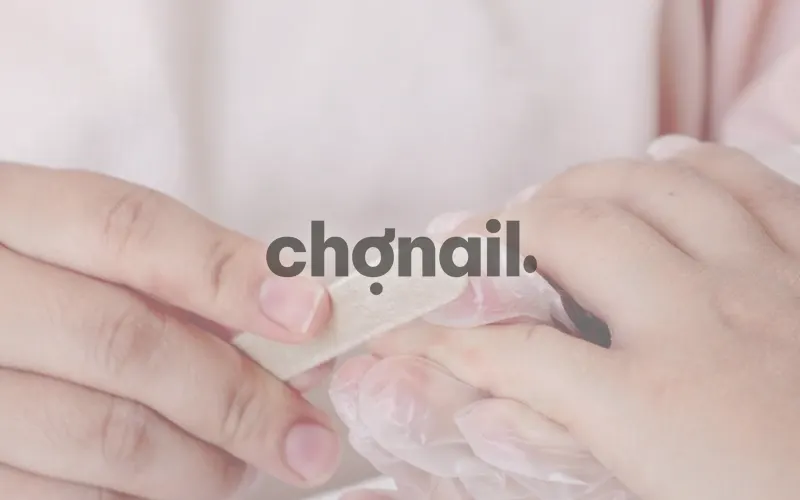
Prep decides most of the wear. The thin film of dead tissue stuck to the nail plate (not the living skin around the nail) is easy to miss, and gel painted over it lifts quickly. Push back gently and remove that tissue from the plate.
Then lightly remove the natural shine without thinning the nail. Brush off all dust, wipe with a cleanser to remove oils, dehydrate, and use primer if your gel system calls for it. From this point on, neither you nor the client should touch the nail plate.
- Remove all dead tissue stuck to the nail plate
- Lightly remove shine without thinning the nail
- Brush away dust, especially at the sidewalls and cuticle area
- Cleanse oils and dehydrate; primer if the system calls for it
- No touching the nail plate once it is prepped
Thin coats and capping the free edge
A thick coat looks finished faster but often doesn't cure all the way through, leaving a soft layer underneath that lets the gel lift within days. Several thin coats, each cured for the full time, last longer than one thick one.
Leave a tiny gap at the cuticle and sidewalls and don't let gel flood onto the skin. If it does, clean it up with a small brush before curing. On every layer, swipe lightly across the free edge to cap it. A sealed edge helps prevent chipping when the client types, opens cans or washes dishes.
Curing properly with the right lamp
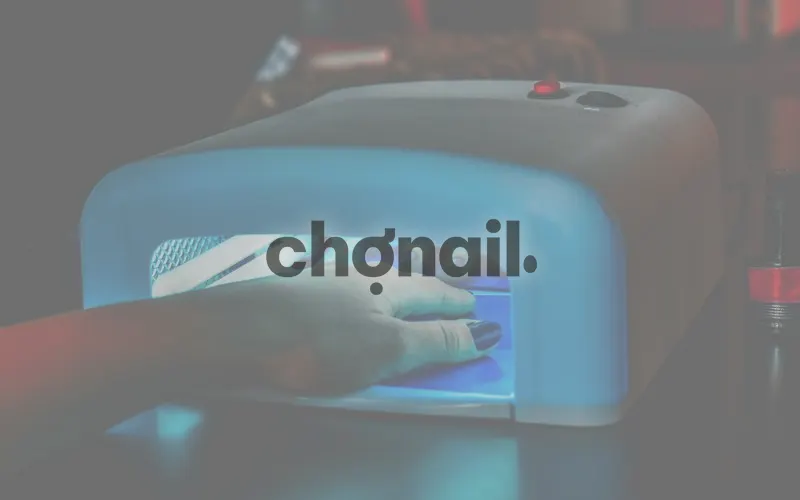
Gel only hardens fully when it gets enough light of the right wavelength for long enough. Use the lamp type the gel maker recommends and cure each layer for the time in the instructions. A mismatched or worn-out lamp can leave the top hard while the layer underneath stays soft.
Keep the client's hand flat and centred in the lamp. Thumbs usually tilt, so cure them separately. Check regularly for weak or dead bulbs or LEDs, and keep the lamp clean with no gel residue inside. If the client feels heat, let them pull out briefly and then finish curing, and remember that overly thick layers tend to get hotter.
Use compatible products and store them properly
The base, colour and top coat from one system are made to bond to each other. Mixing one system's base with another's top coat sometimes works and sometimes lifts for no obvious reason. When you are fighting lifting, going back to a single complete system is the easiest way to rule this cause out.
Gel kept somewhere hot, in sunlight or left open can thicken and stop curing well. Close caps tightly, store it somewhere cool and watch expiry dates. So you don't run out mid-week and have to substitute another product, keep the nail supplies you rely on in a reorder list, and compare prices on the Chợ Nail buying page when it is time to order.
Client habits and aftercare advice
Sometimes the work is fine and the gel still lifts because of the client's habits. Using nails to pry lids or peel labels, soaking hands in hot water for a long time, washing dishes without gloves or picking at the edges all shorten wear.
Give short advice at checkout: use fingertips instead of nails, wear gloves for housework, apply cuticle oil daily, and come back to the salon if something lifts rather than picking at it. Some people's natural nails are oilier or more prone to lifting; prep them extra carefully and keep a note so the next visit goes better. If a client gets redness, itching or swelling around the nails after gel, suggest they see a doctor.
Frequently asked questions
- Why does gel polish lift at the cuticle?
- It usually comes from dead tissue left on the nail plate, gel touching the skin or oil on the nail. Thorough prep and a tiny gap at the cuticle help the gel hold.
- Why does gel polish peel off in one piece?
- Usually the nail plate still had oil or moisture, the shine wasn't removed, or the gel was under-cured. Check your cleansing and dehydrating steps and your lamp and cure times.
- Which lamp can cure gel polish?
- Use the lamp type the gel maker recommends and cure for the stated time. A lamp with the wrong wavelength or weak output can cure gel unevenly.