Nail Tech Trial Shifts: How to Make a Great First Impression
Many nail techs feel nervous about trial shifts, worried they won't show off their skills properly. This post shares what to bring, what to expect from the process, and how to stay calm to do your best work.

What to Bring With You
First, prepare a neat and clean set of personal tools. This shows professionalism and respect for the salon's workspace.
Check your tools, such as your e-file, brushes, art pens, and any gel or powder you use. Make sure they are in good working condition. If the salon has specific rules about tools, ask beforehand so you don't bring too much or too little.
- A thoroughly cleaned personal tool kit
- A clean blouse or uniform
- Personal identification and any relevant certificates
- Hand towels and extra medical gloves
What the Trial Shift Usually Looks Like
Typically, a trial shift lasts between four and eight hours, depending on the salon's policy. You will be observed as you greet clients, consult on services, and perform the work.
The owner or manager will pay attention to your speed, the cleanliness of the client's hands after you finish, and your communication skills. Don't worry about being the fastest; focus on quality and attention to detail.
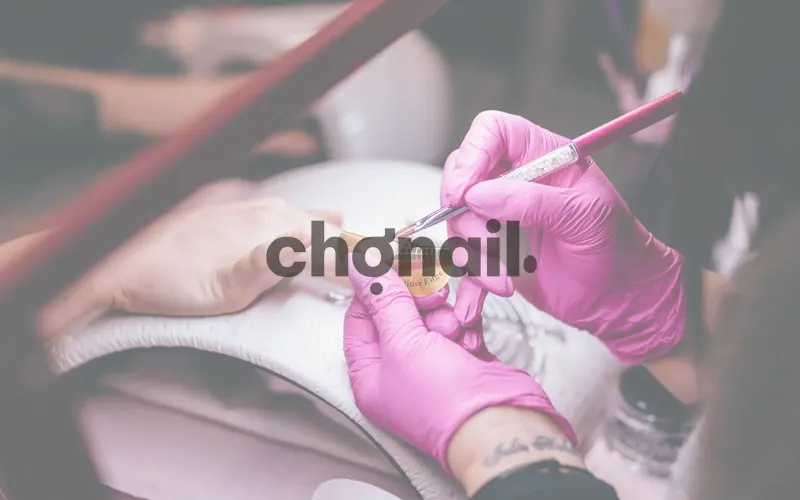
How to Show Your Skills Calmly
Calmness is key. If you encounter a difficult situation, take a deep breath and follow the process you have learned. Avoid rushing, which can lead to mistakes.
Feel free to ask for clarification if you are unsure about a client's request or a manager's instruction. Being open to learning is often valued more than trying to act like you know everything.
Questions to Ask the Owner
Don't hesitate to ask about pay, bonuses, and how tips are handled. Clarifying these terms upfront helps avoid misunderstandings later.
Ask about the work schedule, break times, and leave policies. It is also important to learn about the salon's work culture and any opportunities for advancement.
- Base pay and profit-sharing structure
- Leave policy and holiday schedule
- Specific hygiene and safety requirements
- Opportunities for further training
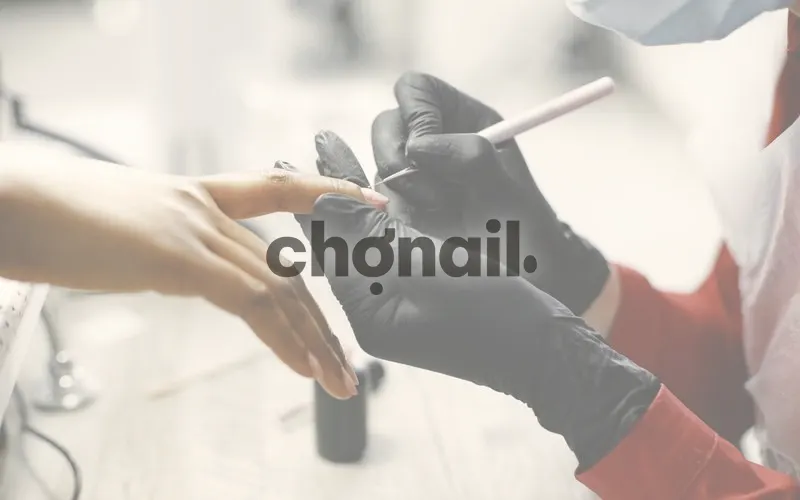
Communicating with Clients During the Trial
How you speak with clients reflects your personality and work ethic. Smile, listen carefully, and give honest advice.
If a client requests a complex nail design, clearly explain the time and cost involved. Transparency helps build trust from the very first meeting.
What to Do After the Trial Shift
After you finish, send a brief thank-you message to the owner for the opportunity. This shows politeness and your genuine interest in the position.
If you haven't heard back after a few days, you can politely ask about the result. Be prepared for either outcome: getting the job or needing to improve certain areas.
Frequently asked questions
- Should I bring my regular clients to a trial shift?
- Ask the owner first. Some salons welcome it if you have loyal clients, but others prefer you focus on their existing customer base. Respect the new workplace's rules.
- What if I make a mistake during the trial shift?
- Don't panic. Acknowledge the error, apologize to the client, and suggest a fix. Honesty and responsibility are usually valued more than hiding a mistake.
- How many sample nail sets should I prepare?
- You are not required to bring samples, but if you do, prepare two or three sets that clearly show your best style and skills. Make sure they are clean and properly stored.