Part-Time Weekend Nail Tech Work: Who It Suits, What to Agree
Part-time weekend nail tech work lets many people keep their trade while still handling school, children or another job. But to make it last without hard feelings, the tech and the owner need to be clear from the start: which days, how pay works, and how turns are shared on busy days.
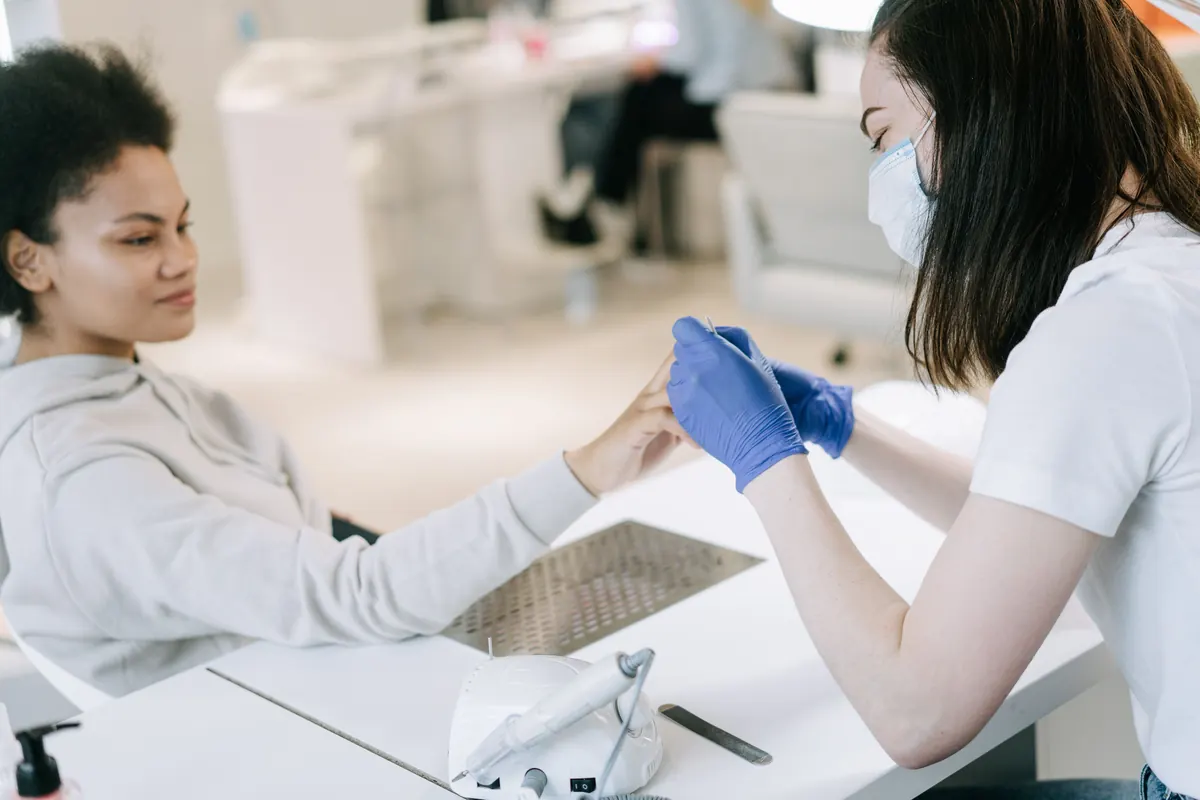
Who does part-time weekend nail work suit?
Weekends are when many salons are busiest, so they often need extra hands on exactly Friday, Saturday and Sunday. For techs, it is an easy block of time to arrange when the week is already taken up by other things.
Not everyone is a good fit. Part-timers need solid skills, because busy days leave little time to ask questions or redo a set. If you are newly licensed you can still do it, but be honest with the owner about which services you do well so you are placed where you fit.
- Students who want an income without missing classes.
- Parents of young children who have family help on weekends.
- People with a main job who want a second income.
- Older techs who want fewer days but are not ready to stop.
- Newly licensed techs who want more hands-on hours in a busy salon.
What to agree on before your first day
Most bad feelings between part-time techs and owners come from things nobody said out loud. Before you say yes, sit down and talk it through clearly, and if possible put it in writing or a text message so you both remember.
Don't be shy about asking. Experienced owners usually prefer a tech who asks carefully at the start over one who has questions after a few weeks.
- Fixed days and hours: start time, finish time, and whether holidays are included.
- How pay works: commission, guaranteed daily pay, or a mix; paid weekly or every two weeks.
- How tips are recorded and paid out, especially card tips.
- Busy-day turns: where a part-timer joins the turn order compared with full-week techs.
- How much notice to give when you need a day off, and who covers.
- Who provides tools and nail supplies: the salon or the tech.
Part-time pay and sharing turns on busy days
Part-time pay is often worked out the same way as for full-week techs, though some salons offer a guaranteed daily rate on weekends to keep people. There is no single number that applies everywhere, because it depends on the area, service prices and how busy each salon is. Ask exactly how it is calculated, then add up a few sample days yourself to see what you would take home.
For example (illustration only): if the salon pays a guaranteed daily rate plus commission when your sales go above it, ask whether that threshold is counted per day or across the whole week. The two methods can give different amounts even when you serve the same clients.
Turns are the most sensitive part. Full-week techs sometimes feel it is unfair when weekend techs arrive right at the busiest time. The smoothest approach is for the owner to explain the turn rules to the whole salon, so nobody thinks someone is being favoured.
How to find a salon that needs weekend help
Many salons say clearly in their listings that they need weekend or part-time help. When you read listings, look for wording like “Friday, Saturday, Sunday” or “guaranteed weekend pay”. You can browse the openings on the Jobs page and filter by area to keep your drive short.
Another way is to post your own profile in the Techs looking for work section, stating exactly which days you can work and which services you do well. Owners who are short on weekends will reach out, and you won't waste time calling salons that only want full-week staff.
When you call, introduce yourself briefly: which state licence you hold, whether you do acrylic, gel, pedicures or manicures, and which days you are free. If you can, ask to work a trial day so both sides can see whether it is a good fit.

Working at two salons: keeping both sides happy
Some techs work weekdays at one salon and weekends at another. This is quite normal, as long as you are honest with both owners. Hiding that you work in two places can damage trust when it comes out.
Keeping a clear schedule matters most. Don't take a regular client from one salon and book them at the other, because that is one of the quickest ways to cause conflict in this trade. If a client asks, tell them honestly where you work on which days, but don't actively pull clients from one salon to the other.
If either salon has paperwork or an agreement about working elsewhere, read it carefully before you sign. If you are unsure about anything in a contract, ask a lawyer.

Income from two places and pacing yourself
When you earn from two salons, or from nails plus another job, year-end tax paperwork can get more complicated. Each salon may treat you as an employee or an independent contractor in different ways. Keep your pay statements and tip records, and ask an accountant what you need to prepare.
Packing your work into the weekend is also more tiring than it sounds. Three busy days in a row, sitting long hours and bending over the table, can strain your back and wrists. Short breaks between clients, drinking enough water, and wearing a mask and gloves properly are simple habits that help you last.
Finally, review things every few months: does the schedule still work, and is the income worth the effort? To compare pay in different areas, you can look at the Pay page for more context before you talk with the owner again.
Frequently asked questions
- How are part-time weekend nail techs usually paid?
- Usually commission on sales, a guaranteed daily rate, or a mix of both, depending on the salon. Ask exactly how it is calculated and whether it is paid weekly or every two weeks before you start.
- Do I need a licence to do nails part-time?
- Whether part-time or full-time, you generally still need a valid licence in the state where you work. Rules differ by state, so check with your state board.
- Can a nail tech work at two salons at the same time?
- Many techs do, as long as they are honest with both owners and don't move clients between salons. If you have signed an agreement with either salon, read it carefully and ask a lawyer if unsure.
- How should weekend techs join the turn order fairly?
- The smoothest way is for the owner to set clear turn rules for the whole salon and explain them to part-timers upfront. When everyone knows the rules, fewer people feel short-changed.